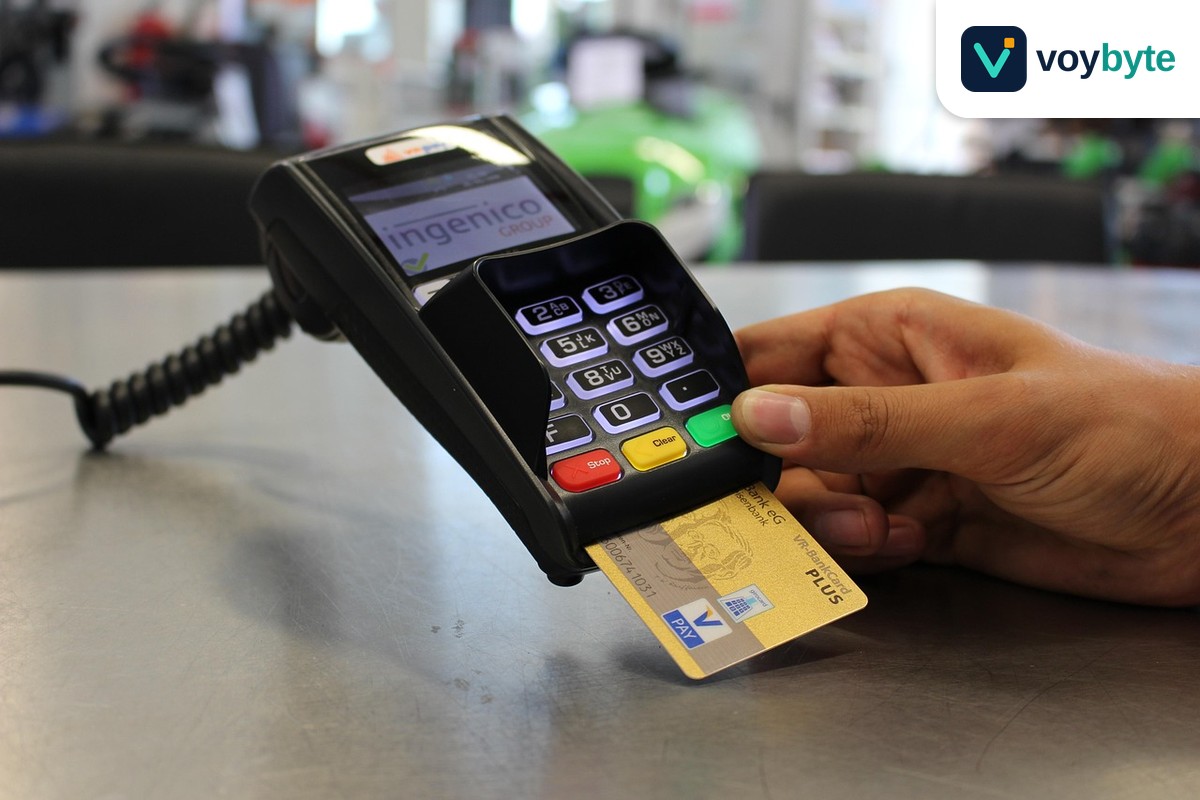
Travelers often ask about Wise vs PayPal, and the honest answer is that they do different jobs. Wise is built for moving money across borders at a clear rate. PayPal is built for easy online payments. Both can work for travel, but each has costs you should understand.
This guide compares them by exchange rate, fees, speed and convenience. It also shows how to test them with a real quote. This is general information, not financial advice, and fees vary by country, currency and payment method.
Wise vs PayPal: how do they differ?
Short answer: for sending money abroad or holding money in other currencies, Wise is often the cheaper option because it shows its fee and exchange rate clearly. PayPal is more convenient for online shopping and getting paid, but its currency conversion can cost more. Compare a real quote before you decide.
Wise focuses on international transfers and multi-currency money. It shows a transparent fee and the exchange rate it uses. PayPal is a payment service that many online shops accept, and it offers buyer protection on eligible purchases. When PayPal converts currencies, it applies its own exchange rate, which includes a margin, plus any fees.
Wise vs PayPal fees: what should you compare?
| What to compare | Wise | PayPal |
|---|---|---|
| Main use | International transfers, multi-currency account | Online payments, sending to friends, getting paid |
| Exchange rate | Shows a clear rate and fee | The rate includes a margin, so check before you pay |
| Fees | Depend on the route and currency | Depend on the type of payment and currency |
| Convenience | Best if you move money often | Widely accepted online |
| Buyer protection | Not designed for shopping | Available on eligible purchases |
| Availability | Varies by country | Varies by country |
When is Wise the better choice?
- Sending money to family or paying someone abroad.
- Holding or converting money in several currencies for a long trip.
- Spending in local currency with a debit card, if your country supports it. Check the free withdrawal limits and fees first.
- Getting paid by clients abroad, where this is supported.
When is PayPal the better choice?
- Shopping at online stores that accept PayPal, where buyer protection matters.
- Paying small sellers who only accept PayPal.
- Making quick payments between people who already use it.
If you use PayPal abroad, check which currency it will charge before you confirm.
Wise vs PayPal for travel: which is better in each case?
| Situation | Often better | Why |
|---|---|---|
| Sending money to family abroad | Wise | Clear rate and fee |
| Paying a foreign freelancer | Wise | Lower conversion cost in many cases |
| Buying from a foreign online shop | PayPal | Wide acceptance and buyer protection |
| Getting paid by a client | Depends | Compare the fee and rate for your country |
| Holding money in several currencies | Wise | Multi-currency account |
| Withdrawing cash abroad | Depends | Check card fees and withdrawal limits |
How do exchange rates work in Wise vs PayPal?
Every currency has a mid-market rate, which is the midpoint between buy and sell prices. A fair service shows that rate and adds a clear fee. Another service may use a worse rate and add a smaller fee, so the total cost hides in the rate.
Here is a simple, made-up example. Say the mid-market rate would give you 100 units. If a service gives you 97, the 3-unit gap is a cost, even if no fee is shown. So always compare the amount that arrives, not the fee alone.
What cost traps should you watch for?
- Currency conversion margin. The headline fee may look low while the exchange rate hides a larger cost.
- Paying in your home currency abroad. When a card machine or website asks which currency to charge, choose the local currency.
- ATM fees. Your bank and the local ATM can both charge you.
- Transfer speed. Cheaper routes can be slower. So check how long a transfer takes.
- Limits and verification. Some services ask for identity checks before large payments.
Also watch for promotional rates that apply only to your first transfer.
How do you compare Wise vs PayPal with a real quote?
- Choose the amount, the currencies and the payment method you would actually use.
- Get a quote from each service for the same transfer.
- Compare the amount that arrives, not only the fee shown.
- Check the delivery time and any limits.
- Read recent reviews, and check that the service is licensed where you live. Consumer agencies such as the US Consumer Financial Protection Bureau publish guides on sending money abroad.
Repeat the quote on another day, because rates move, and write down the date you checked.
Wise vs PayPal for freelancers: which works for receiving money?
Freelancers who travel often get paid in other currencies. Wise can give you local bank details in some currencies, where this is supported. That helps clients pay you without high fees. PayPal lets you send invoices and take card payments, and many clients already use it.
However, the cost depends on the currency and the route. So check what you would receive after fees and conversion. Also look at how fast you can access the money and what limits apply. If you also work while traveling, see our remote work setup checklist.
What other options exist besides Wise vs PayPal?
- Bank transfer: simple, but fees and rates vary a lot by bank.
- A card with no foreign transaction fee: useful for shopping and ATMs, if your bank offers one.
- Local remittance services: some are cheap for specific routes.
- Cash: handy for small purchases, but carry only what you need.
Compare at least two options for the same amount before you choose.
How do you stay safe when using Wise vs PayPal?
- Turn on two-factor authentication for both accounts.
- Use the official apps and websites only, and never click payment links in unexpected messages.
- Do not send money to strangers as “friends and family” for a purchase, because that can remove buyer protection.
- Check the recipient’s details twice before you confirm.
- Keep your devices updated, and use a strong, unique password.
What should you know for a trip to Indonesia?
First, check whether the service supports Indonesian rupiah for the transfer you want. Then carry some cash for small shops and local warungs, and withdraw from ATMs inside banks. Finally, plan your budget with is Bali expensive.
Frequently asked questions
Wise is a regulated financial company in many countries. Check how it is regulated where you live.
Yes. It applies its own exchange rate with a margin. Check the details before you pay.
Yes. Many travelers use one for transfers or cash and the other for online shopping.
Wise is often cheaper, but the answer depends on the amount, the currencies and the route. Compare a real quote.
It depends on your country and the card or account type. Check what your Wise account supports before you travel.
Yes, some. Warungs and small shops often prefer cash, while hotels and larger restaurants take cards.